Biomolecular condensates have surprising new role
Yifan Dai’s lab and collaborators find that biomolecular condensates drive carbon-nitrogen bonds
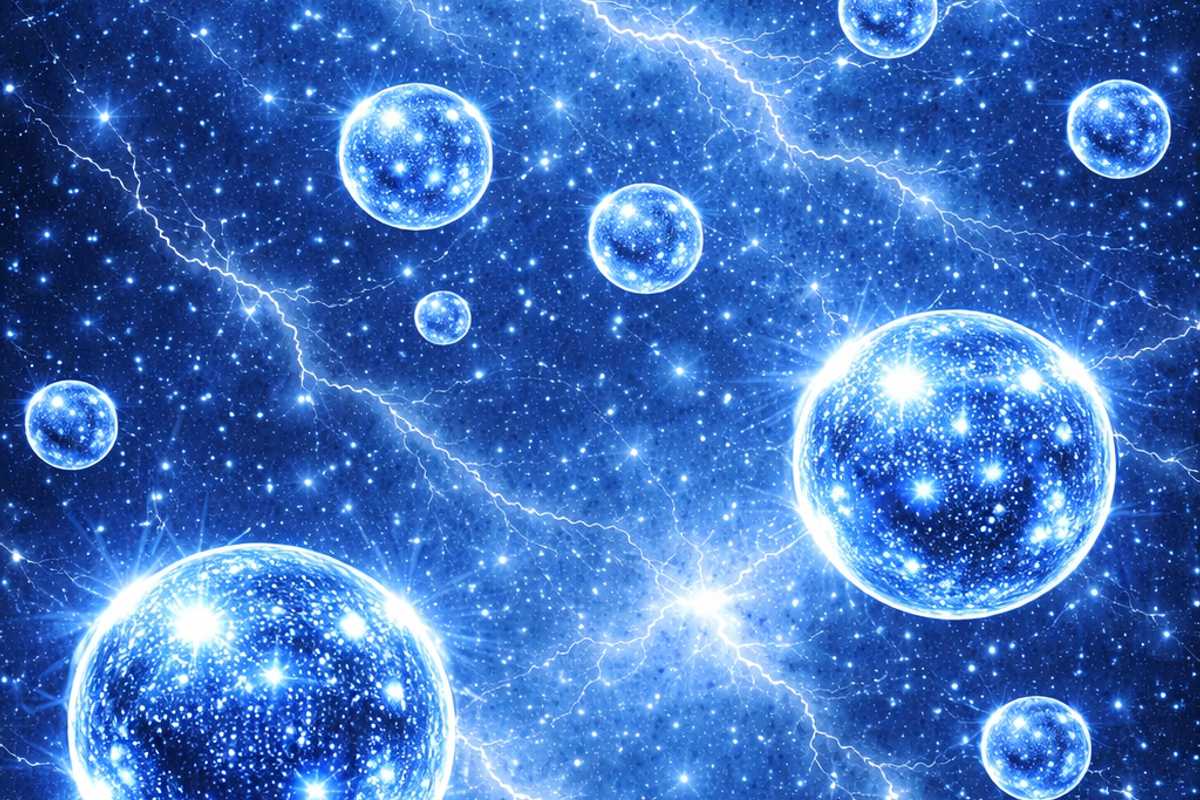
Our cells have a rather complex metabolic cycle that creates energy from carbohydrates, fat and proteins through a series of chemical interactions. Scientists have long thought that enzymes were needed to regulate this cycle, but a team of researchers led by the McKelvey School of Engineering at Washington University in St. Louis has found that biomolecular condensates can perform the same role.
Yifan Dai, assistant professor of biomedical engineering, and the labs of Richard N. Zare, the Marguerite Blake Wilbur Professor of Natural Science at Stanford University and Anthony A. Hyman from Max Planck Institute of Molecular Cell Biology and Genetics discovered that these biomolecular condensates – molecular communities made up of DNA, RNA and proteins — facilitate a chain of reactions that lead to creation of new molecules formed by linking carbon and nitrogen atoms — a critical first step to form proteins. Results of the game-changing research were published in Nature Chemical Biology March 25, 2026.
“Considering the great importance of carbon-nitrogen formation, this finding really surprises us on how new mechanisms can drive cell biochemistry,” Dai said. “By driving nonenzymatic carbon-nitrogen bond formation, the condensates extend beyond the traditional biochemical paradigm.”
Cells have a variety of chemicals known as metabolites, but much about human metabolism remains unknown, Dai said.
“In our research, we identified many previously unknown chemical markers,” Dai said. “These markers are created through a specific chemical reaction between two metabolites: one containing an amine and another containing a ketone or aldehyde. By combining these types of chemicals, cells can produce new metabolites. We also studied how cells can control this process by knocking down certain pathways. This discovery is significant because it reveals a new way that biochemistry occurs within living cells.”
Their findings suggest that these protein clusters play a significant role in metabolism and cellular processes, revealing a new function of biomolecular condensates, showing their impact on maintaining chemical balance and regulating biology.
Previously, Dai’s team showed that condensation and the nonequilibrium process after condensation regulated the electrochemical dynamics of the environments, and condensates can promote electrochemical reduction reactions.
“This new research, however, highlights a general type of chemistry involving carbon-nitrogen bonds, which are crucial for many processes in living organisms,” Dai said. “We are very excited about this early finding as it represents an important advancement in understanding cellular chemistry and the roles of condensates.”
Song X, Ma Y, Chen MW, Yu W, Yan X, Xu J, Lyu L, Hyman AA, Dai Y, Zare, RN. Biomolecular condensates mediate C-N bond formation. Nature Chemical Biology, March 25, 2026. DOI: https://www.nature.com/articles/s41589-026-02169-2
This research was supported by funding from the Air Force Office of Scientific Research (AFOSR FA9550-21-1-0170) and the McKelvey School of Engineering and Center for Biomolecular Condensates at Washington University in St. Louis.