New minor in systems engineering for social good offered at Washington University in St. Louis
Program will equip students with ability to connect technical decisions with societal outcomes
As complex, engineered systems become deeply integrated into our professional and personal lives, it is critical that engineers possess the ability to consider the social implications of these systems, connecting technical decisions with ethical and societal outcomes.
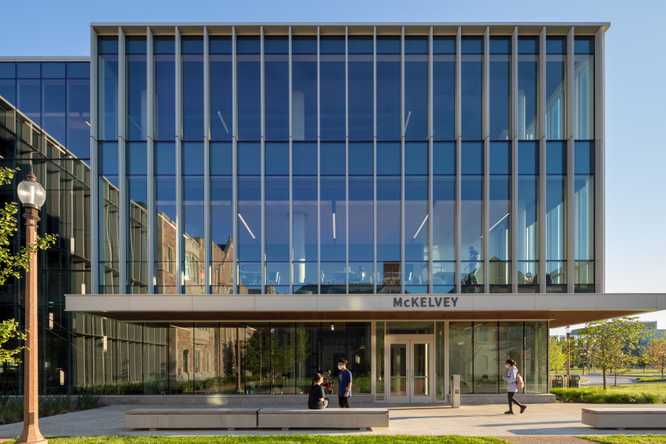
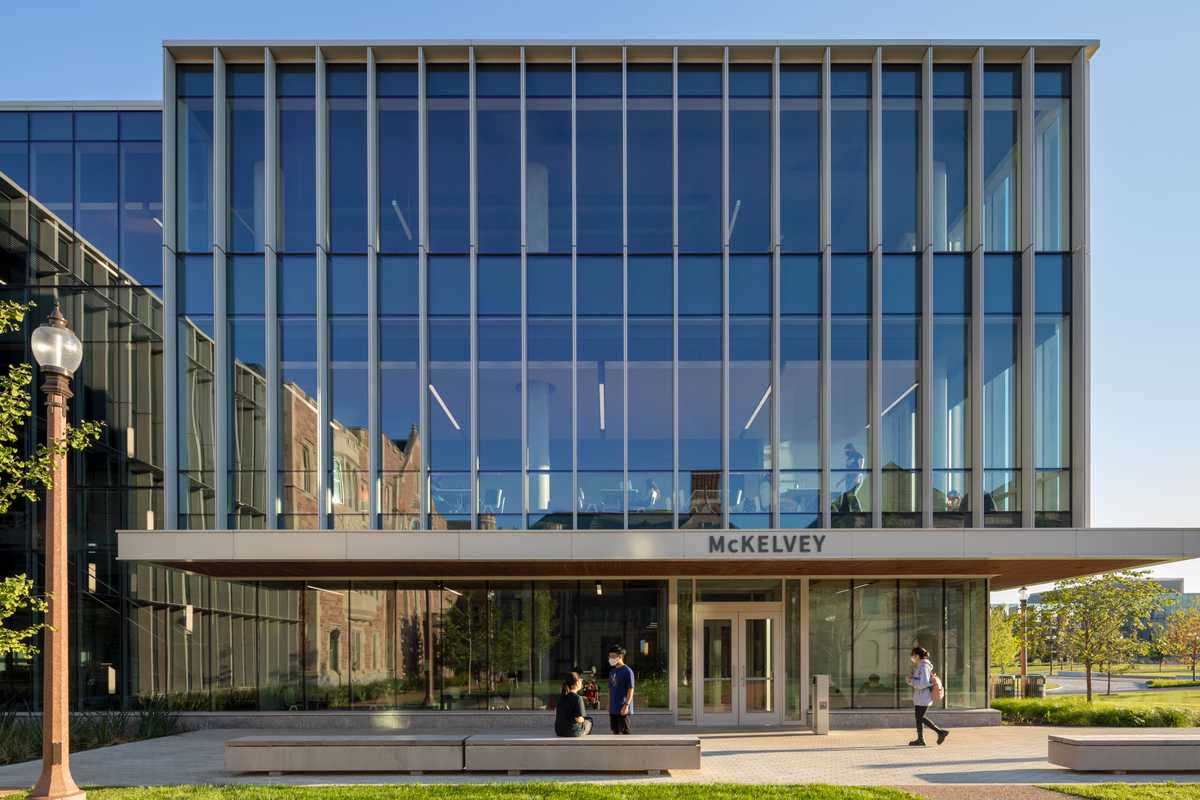
Beginning in fall 2026, the new Systems Engineering for Social Good (SESG) minor offered by the Preston M. Green Department of Electrical & Systems Engineering in the McKelvey School of Engineering at Washington University in St. Louis will allow students to engage with nuanced questions about the systems they will encounter in professional engineering contexts. The program provides grounding and practice in designing and analyzing systems relevant to other engineering programs with a view towards fairness, bias and, ultimately, social good, with particular emphasis on addressing complex challenges that span technical and societal dimensions.
Along with McKelvey Engineering faculty who bring expertise in systems design, signal processing and data analysis, the program will leverage relevant classes in the College of Arts & Sciences, the Sam Fox School of Design & Visual Arts, the Brown School, the School of Public Health and the Olin Business School.
“Within McKelvey, several courses already engage the many social responsibilities of engineering practice,” Ben Wormleighton, SESG program director and lecturer in electrical & systems engineering, said. “The SESG minor is designed to connect and strengthen these existing efforts by providing a structured framework through which students develop systems-level thinking competencies for ethical and community-engaged problem solving.”
The curriculum will require 19 course hours including the new Systems Design for Social Good Seminar (ESE 4090) course, which is designed to accompany students’ project or capstone work in their major program. Students will meet weekly to discuss the social good implications and challenges of their project work and gain relevant skills through workshop-style content from a diverse range of academic and professional voices. All other courses are existing.
Click on the topics below for more stories in those areas
Back to NewsFaculty in this story