
It's easy to start your application.
PhD in Neuroengineering
McKelvey Engineering's doctoral neuroengineering program, created in collaboration with WashU Medicine, will train you in developing new ways of connecting the brain with technology, in improving and augmenting human health and in advancing our understanding of the brain. McKelvey’s multidisciplinary program leverages the unique culture of collaboration at Washington University in St. Louis and its formidable expertise in medicine, neuroscience, mathematics, computer science, electrical engineering and biomedical engineering.
Applications open Sept. 1
Breakthroughs driven by collaboration
Neuroengineering powers breakthroughs across disciplines, including neural interfaces and technologies, neuromodulation, computation and neural modeling, neuroAI, brain-inspired and neuromorphic computing and emerging platforms such as neuro-organoids and therapeutics.
Advances like this are possible because neuroengineering connects disciplines, bringing together the brightest minds in medicine and technology — and such cross-displine collaboration is a profound strength at WashU.
Learn from world-class faculty across WashU
You'll work with leading faculty members from across the university, including from WashU Medicine, home to one of the top neuroscience enterprises in the world. The neuroengineering program includes dozens of researchers from:
- Anesthesiology
- Biomedical Engineering
- Cell Biology and Physiology
- Computer Science & Engineering
- Developmental Biology
- Electrical & Systems Engineering
- Mechanical Engineering & Materials Science
- Neurology
- Neuroscience
- Neurosurgery
- Ophthalmology
- Physical Therapy
- Psychiatry
- Radiology
The program leverages McKelvey's and WashU's deep expertise
Close collaboration with researchers at the world-class WashU Medicine will give you unusually robust access to clinicians, patients and real-world medical challenges.
WashU is is a global leader in research on Alzheimer's disease, renowned for pioneering early detection through highly accurate blood tests and for developing novel therapeutic strategies. WashU research in neurology and in neurosurgery are second and third, respectively, in funding from the National Institutes of Health.
In addition to clinical applications, McKelvey neuroengineers also advance human-computer interaction, including artificial intelligence and neuromorphic computing.
You will not only study the brain but also invent tools and systems that will shape the future of neuroscience, brain health, advanced prosthetics and brain-inspired algorithms and devices.
ShiNung Ching, chair of the Preston M. Green Department of Electrical & Systems Engineering, and Barani Raman, the Dennis & Barbara Kessler Professor in the Department of Biomedical Engineering, head the program.
Applications open Sept. 1
Apply for the program starting Sept. 1 for the fall 2027 semester.
Related news
WashU launches doctoral program in neuroengineering
Read the story
Brain modeling of anesthetic effects to predict antidepressant response
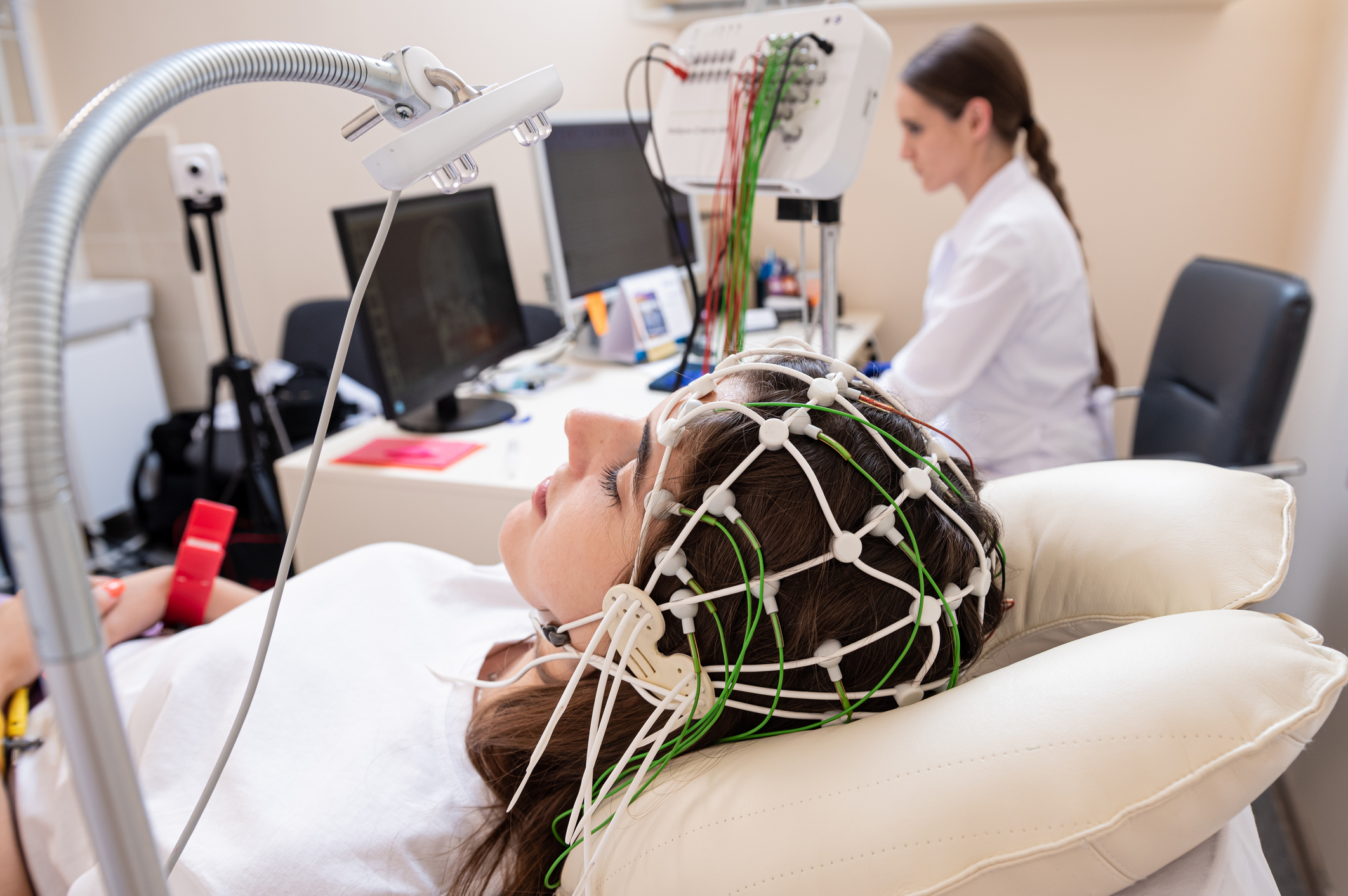
ShiNung Ching, Ben Julian Palanca look at brain dynamics, neural circuits as clues.
WashU Expert: Synthetic torpor has potential to redefine medicine
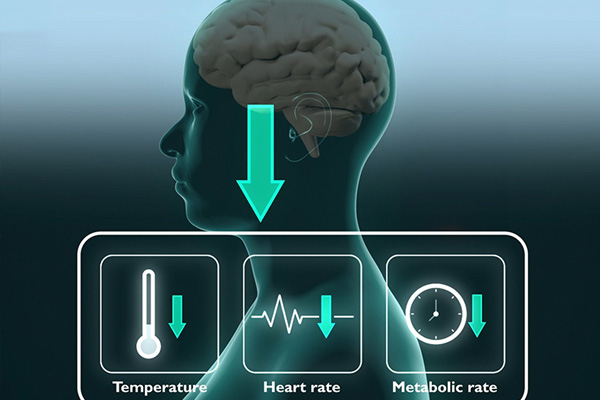
Hong Chen’s lab advancing synthetic torpor with focused ultrasound.
Brain decoder controls spinal cord stimulation
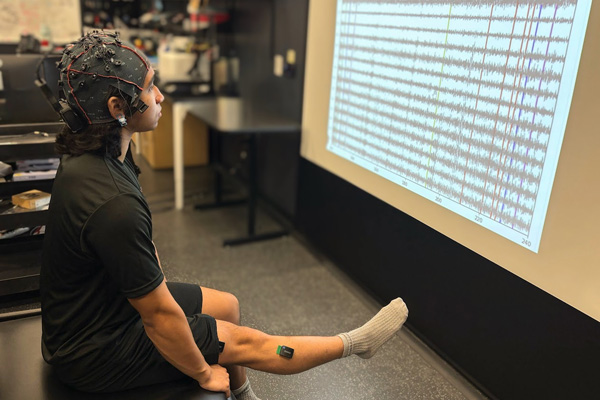
Ismael Seáñez’s lab develops brain wave decoder that may help in spinal cord injury rehabilitation.
Prime time for fiber optics to take a deep dive into brain circuits

Read the story
New technologies to help those with spinal cord injuries move
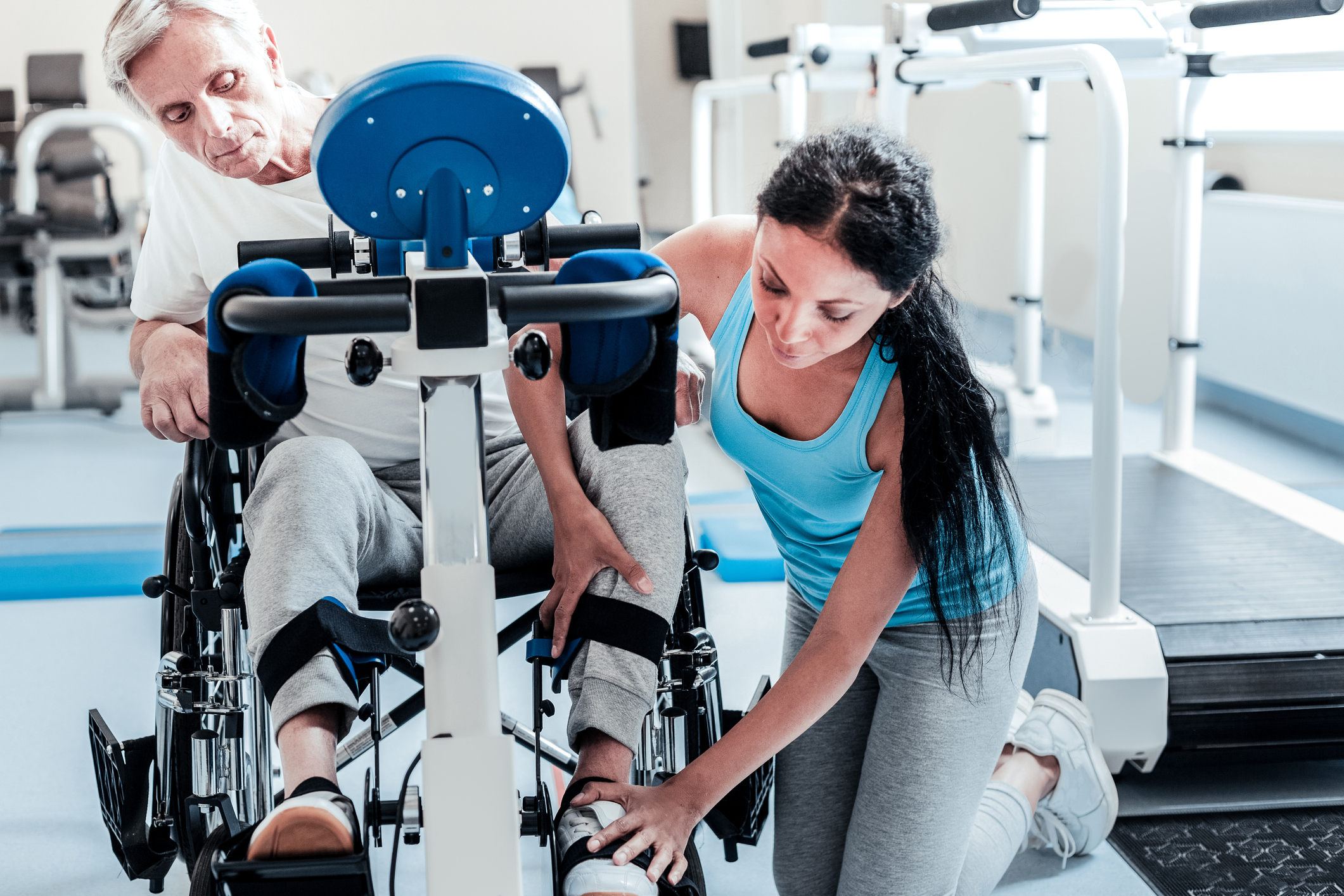
Ismael Seáñez, Peter Brunner, Jing Wang, Simon Haroutounian to collaborate on the work.