AI for Health seed grant program awards nearly $300,000 to advance AI-driven health research
Annual program supports innovative collaborations between artificial intelligence and health researchers across WashU
The AI for Health Institute has awarded nearly $300,000 through its annual AI for Health Seed Grant program, supporting six interdisciplinary teams developing innovative artificial intelligence approaches to address pressing challenges in health care and public health.
The program, a partnership between the AI for Health Institute and the Here and Next Seed Grant program, is designed to catalyze new collaborations between investigators in artificial intelligence and health-related fields. By providing early-stage funding, the program helps researchers explore bold ideas, generate preliminary results and position their teams for future external funding opportunities.
This year's awards support projects spanning global child nutrition, childhood obesity, interventional radiology, radiation oncology, stem cell biology and musculoskeletal health. Together, these projects demonstrate the breadth of opportunities for AI to accelerate scientific discovery, enhance clinical care and improve population health.
"Transformative advances in health increasingly emerge at the intersection of AI and domain expertise," said Chenyang Lu, director of the AI for Health Institute and the Fullgraf Professor in the Department of Computer Science & Engineering. "These seed grants bring together researchers from diverse disciplines to pursue bold ideas with the potential to improve health outcomes and accelerate biomedical discovery."
Each project received up to $50,000 in funding for a one-year exploratory study.
Recipients of the 2026 AI for Health Seed Grants include:
- Lora Iannotti, the Lauren and Lee Fixel Distinguished Professor in the WashU School of Public Health, in collaboration with Bo Li, the Stanley A. Sawyer Professor of Statistics and Data Science, who received $49,725 for a project titled "Integrated Mobile AI Technology for Global Infant Nutrition Evaluation (IMAGINE)."
- Denise Wilfley, the Scott Rudolph University Professor of Psychiatry, Medicine, Pediatrics and Psychological & Brain Sciences and director of the Center for Healthy Weight and Wellness at WashU Medicine, in collaboration with Ellen Fitzsimmons-Craft, associate professor of psychiatry and psychological and brain sciences in Arts & Sciences; Rick Stein, professor of medicine at WashU Medicine; and Jiaxin Huang, assistant professor of computer science & engineering in the McKelvey School of Engineering, who received $50,000 for a project titled "AI-Enhanced Interventionist Certification and Ongoing Fidelity Monitoring for Digital Family-Based Treatment of Childhood Obesity."
-
Allan Thomas, assistant professor of radiology at Mallinckrodt Institute of Radiology (MIR) at WashU Medicine, in collaboration with James Duncan, MD, PhD, professor of radiology at the Mallinckrodt Institute of Radiology (MIR) at WashU Medicine and director of interventional radiology at St. Louis Children's Hospital, and Abhinav Jha, associate professor of biomedical engineering in McKelvey Engineering, who received $50,000 for a project titled "Leveraging Videos and Connected Multimodal Metadata to Achieve Procedural Intelligence in Interventional Radiology.”
- Mengxin Yu, assistant professor of statistics and data science in Arts & Sciences, in collaboration with Jin Zhang, associate professor of radiation oncology; Thomas Mazur, associate professor of radiation oncology and chief of stereotactic body radiation therapy; and Michael Waters, MD, PhD, assistant professor of radiation oncology, all of WashU Medicine, who received $50,000 for a project titled "MAESTRO — Multi-Agent Evolutionary System for Treatment in Radiation Oncology."
- Arindam Mukherji, assistant professor of physics in Arts & Sciences, in collaboration with Xiaoxia Cui, associate professor of genetics and director of the Genome Engineering & Stem Cell Center at WashU Medicine, who received $50,000 for a project titled "Developing AI Virtual Cell Models to Predict Stem Cell Differentiation from Organelle Dynamics."
- Michael Harris, associate professor of physical therapy, of orthopedic surgery at WashU Medicine and of mechanical engineering & materials science in McKelvey Engineering, in collaboration with Tao Ju, professor of computer science & engineering in McKelvey Engineering, who received $50,000 for a project titled "AI-Assisted Image Segmentation and Surface Reconstruction of the Hip Across the Lifespan."
The AI for Health Seed Grant program reflects WashU's commitment to fostering interdisciplinary research at the intersection of AI and health. Projects are selected based on their potential to address significant health challenges through innovative AI-driven approaches and to establish new interdisciplinary collaborations across the university.
Since its launch in 2025, the program has helped build a growing community of researchers working together to harness AI to improve human health and advance biomedical discovery, Lu said.
Click on the topics below for more stories in those areas
- Research
- Biomedical Engineering
- Computer Science & Engineering
- Mechanical Engineering & Materials Science
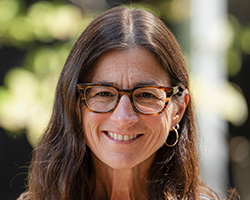
Lora Iannotti
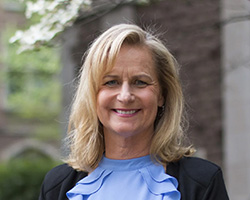
Denise Wilfley
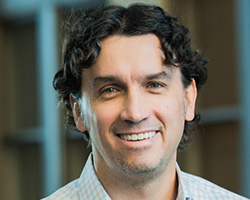
Allan Thomas
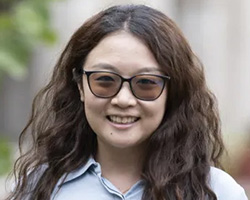
Mengxin Yu
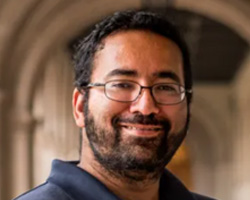
Arindam Mukherji
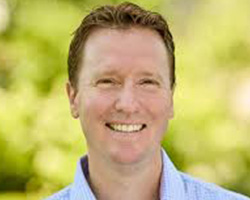
Michael Harris
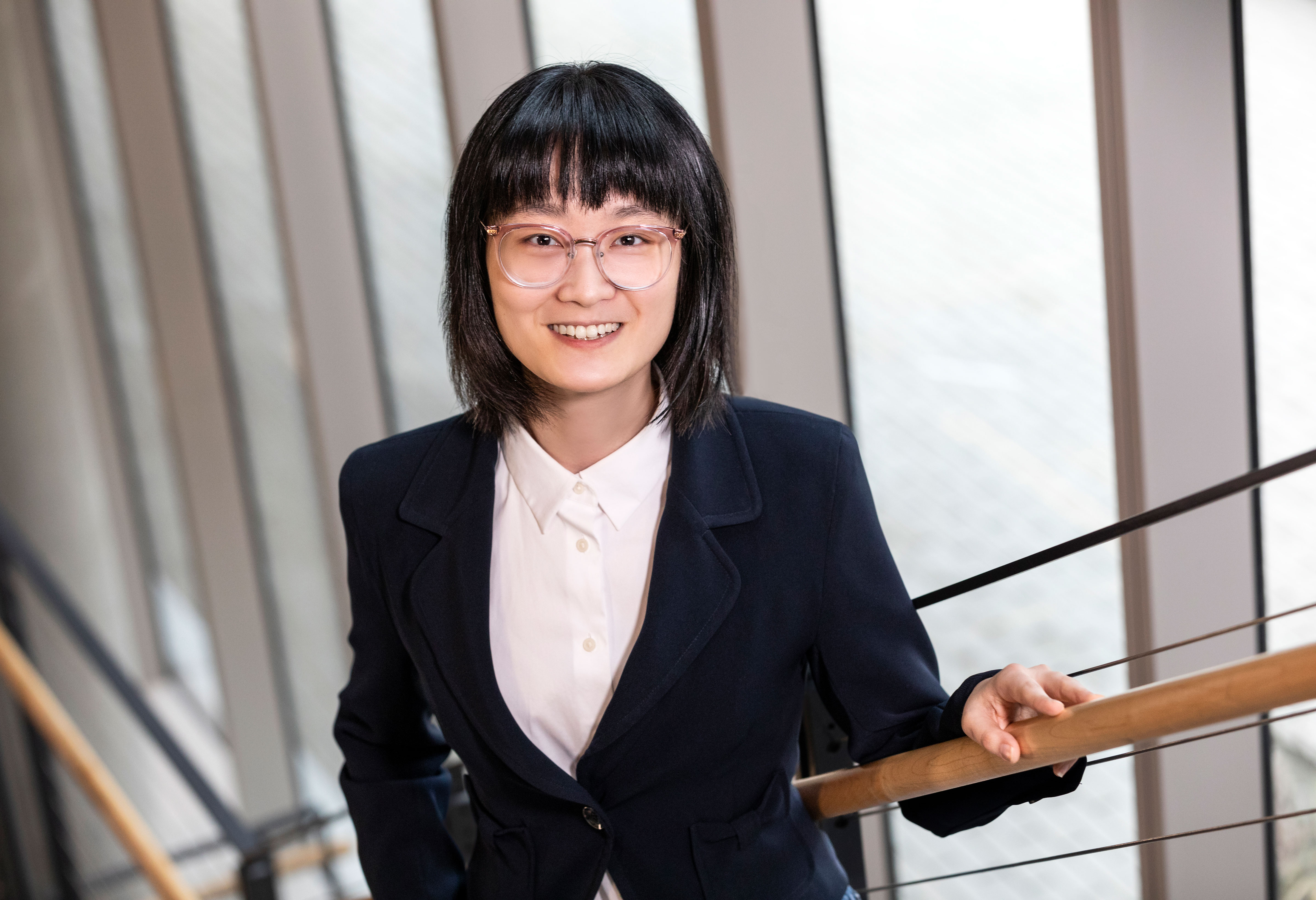
Jiaxin Huang
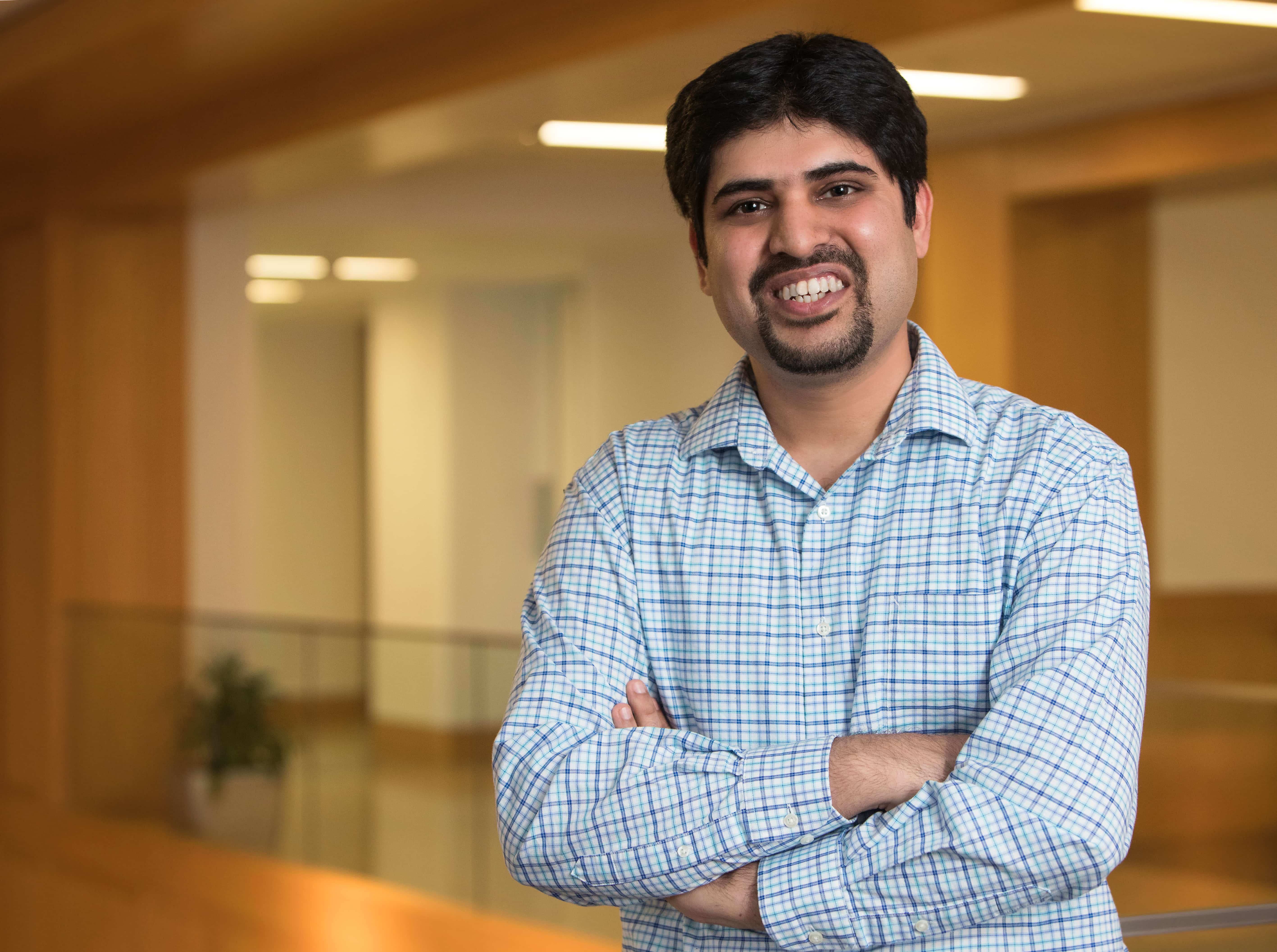
Abhinav Jha
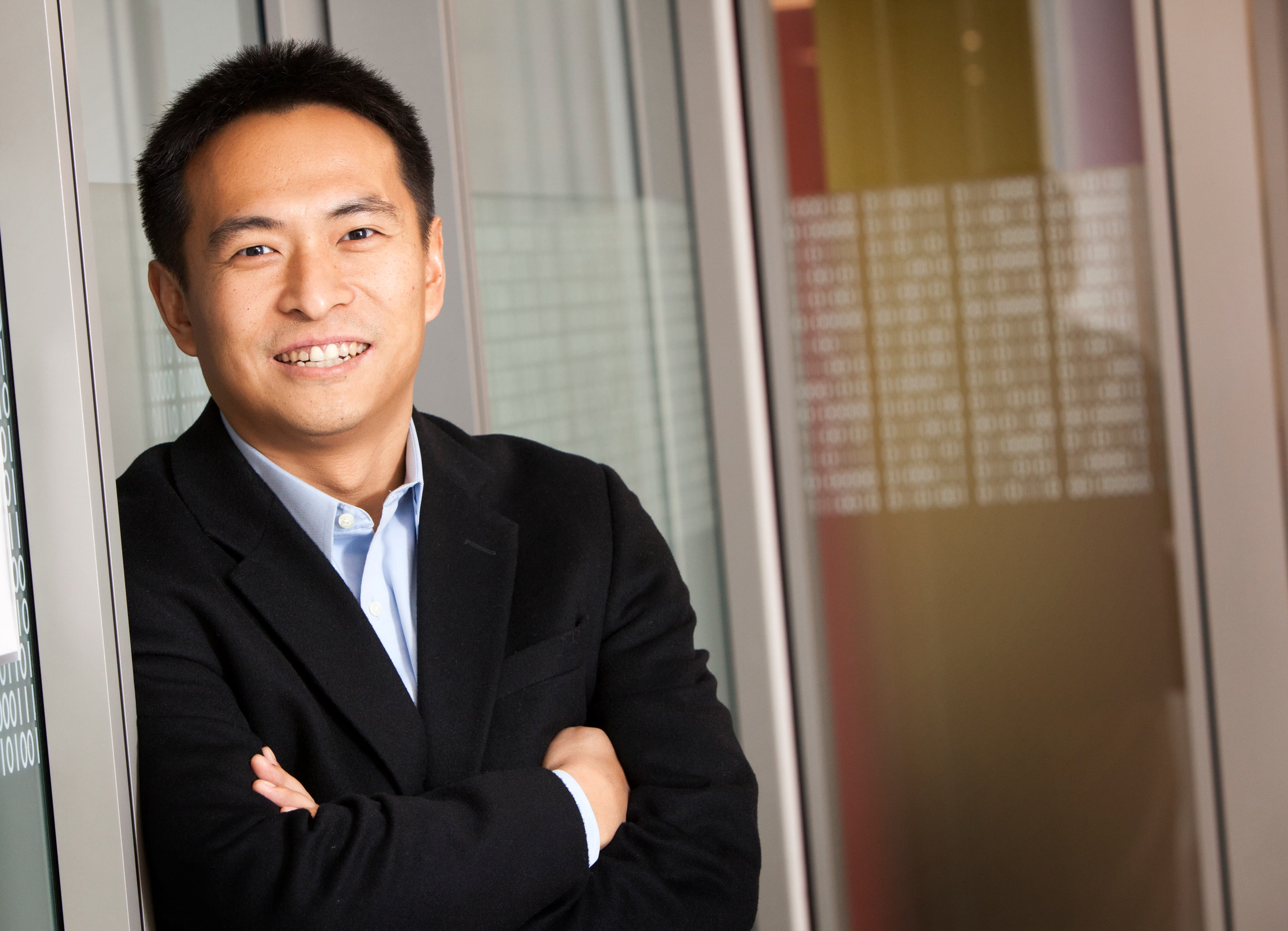
Tao Ju