Inner life of cells under investigation
Yifan Dai to look at chemical processes in cells with NIH grant
Cells undergo many complex processes to work properly and maintain life, including maintaining stable chemical conditions, such as pH and electrolyte balance.
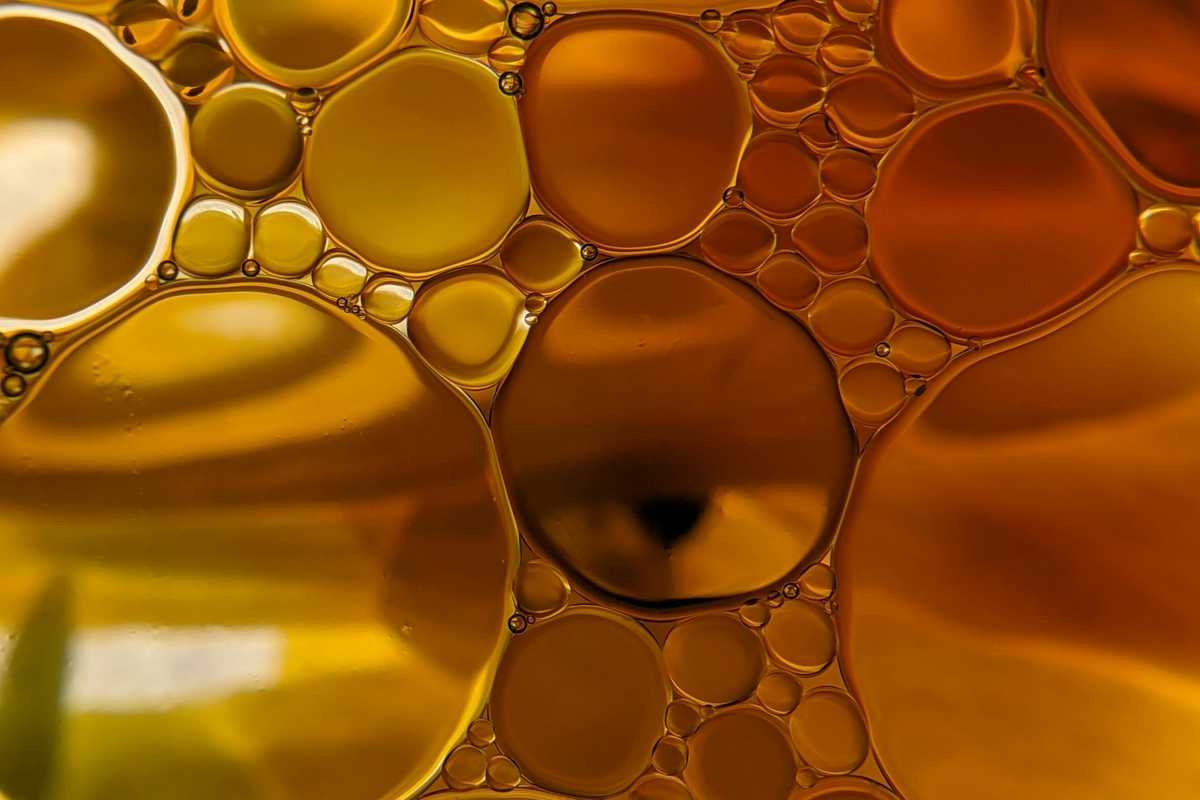
Yifan Dai, assistant professor of biomedical engineering, will study this process, called buffering, with a five-year, $2 million Maximizing Investigators’ Research Award from the National Institutes of Health. Specifically, Dai will focus on biomolecular condensates, which are molecular communities made up of DNA, RNA and proteins, and how they are involved with diseases. In previous research, Dai and his lab found that these protein clusters play a significant role in metabolism and cellular processes, showing their impact on maintaining chemical balance and regulating biology.
Dai said researchers understand the mechanisms regulating the difference of electrochemical environments between the extracellular and intracellular parts of a cell, but their knowledge about the inside of the cell is more limited.
“Our goal is to explain the long-standing mystery of how cells buffer themselves and keep their internal environment stable,” Dai said. “This research may also reveal new ways that cells power chemistry and organize life processes.”
With the funding, Dai and his lab will study the physicochemical and electrochemical features of living systems and determine whether these features are active or passive chemical functions.
“Cells need the right pH and the right ions for the protein to fold and for the chemistry to proceed,” he said. “We want to know how cells do it.”
In addition, the lab seeks to understand how biomolecules can organize electrical potential within the cellular space with spatial and temporal precision.
Dai’s lab plans to design new protein-based tools that allow researchers to organize ions and use phase separation to regulate distribution within the cell. Such a tool would give his lab a platform technology to determine activity within the cell, such as how condensates control salt and water in cells and how these changes affect a cell’s properties.
Information gleaned from such in-depth studies on cell chemistry and processes could help to connect these conditions to disease, Dai said.
Previously, Dai’s team showed that condensation and the nonequilibrium process after condensation regulated the electrochemical dynamics of the environments, and condensates can promote electrochemical reduction reactions.
Click on the topics below for more stories in those areas
Back to NewsFaculty in this story